

Connecting the physical world to your software.
Scanners, sensors, printers, Bluetooth devices, PLCs and embedded chips all produce data. We write the firmware, drivers and integrations that get it into your platform and app, and send the right instruction back.
- Chip to cloudFirmware on the device, drivers in between, and the platform and app on top, from one team.
- Bluetooth, RFID and serialWearables, wall scanners, PLCs and printers, over whichever protocol the hardware speaks.
- Built for the fieldOffline-first apps and queued telemetry, so a dropped connection never loses a reading.
- 100% Australian teamBench, firmware and software engineers in-house in Adelaide. Nothing offshored.
Software only knows what someone types into it. Hardware knows what actually happened.
A scan, a weight, a shake, a temperature or a button press is recorded at the moment it happens. Getting it into your platform removes the clipboard and the re-keying.
Captured at the source
Readings go straight from the device into your system, timestamped and attributed, with no one transcribing them later.
Act in the moment
A fall, an overload or a failed print can trigger an alert, an SMS or a workflow the second it happens, not at the end of the shift.
History you can trust
Every scan, weight and sensor reading becomes a record, so trends, audits and disputes rest on data rather than memory.
Close the loop
Integration runs both ways: the platform prints the label, opens the valve, arms the device or changes the setting without a person in between.
If it has a chip, a port or a radio, we can probably talk to it
Hardware from client projects, each one wired into a cloud platform or a mobile app our team built.
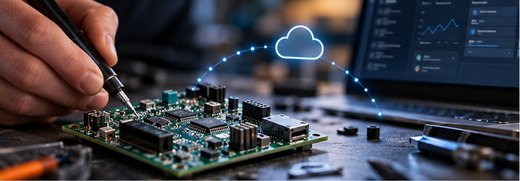
Embedded devices and firmware
Firmware for Atmel microcontrollers, serial protocols and the drivers that bring a device's data up into a platform. When the hardware needs modifying to get there, we do that too: board-level work, chip removal and re-flashing on the bench.
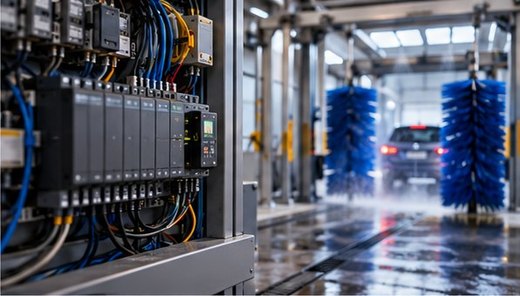
PLCs and circuit boards
Car wash control boards and programmable logic controllers connected to cloud software, so a machine can be started, monitored and billed from a platform instead of a panel.
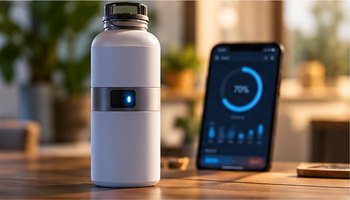
Sensors
A smart water bottle that tracks what the user drinks using accelerometers and conductive pins, synced to an app. Accelerometers, probes and contact sensors, interpreted into something a person can act on.
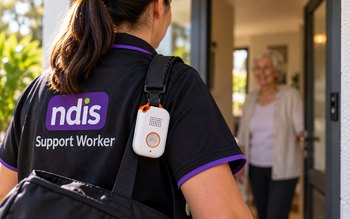
Lone worker devices
Worksafe Guardian's EV04 wearables report shake and fall detection and button presses over Bluetooth into the safety platform, with device health tracked on the dashboard.
Home automation
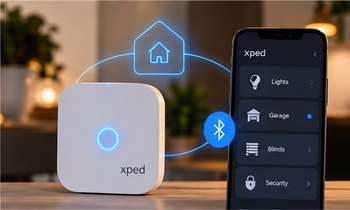
Xped's home automation devices are paired and controlled from a mobile app over Bluetooth: lights, garage, blinds and security from one screen.
RFID and barcode scanning
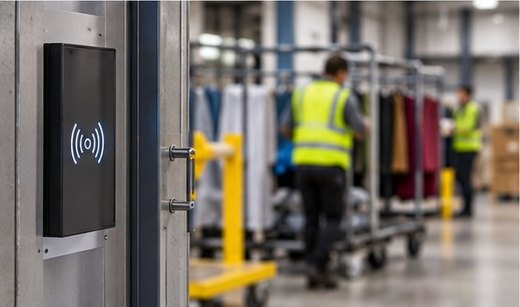
RFID wall scanners in LHD's laundry warehouses track every protective garment through wash, repair and dispatch, with handheld and barcode scanning alongside, all feeding the Firesmart platform.
Garment label printers
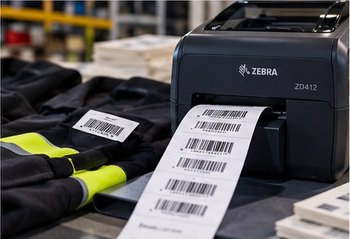
Zebra ZD412 and other thermal printers printing barcodes onto garment labels for LHD, driven from the platform with print status and reprint.
Store printers
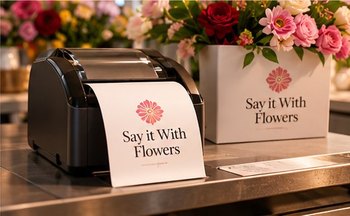
Networked printers producing cards, envelopes and tags for Say It With Flowers straight from the order, with a print queue, status and reprint in the platform.
Got a device nobody else wants to touch?
Send us the model, the manual if there is one, and what you need it to do. We'll tell you honestly whether it can be integrated, and how.
Run it past usDevices in the field, running on platforms we built
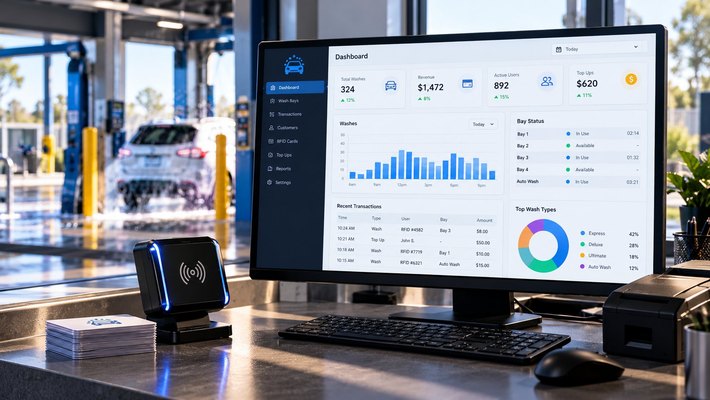
Car Wash Automation
ATmega8 bay controllers reverse engineered from UDP traffic, firmware updated to talk to the Autowash PLC, with RFID at the bays.
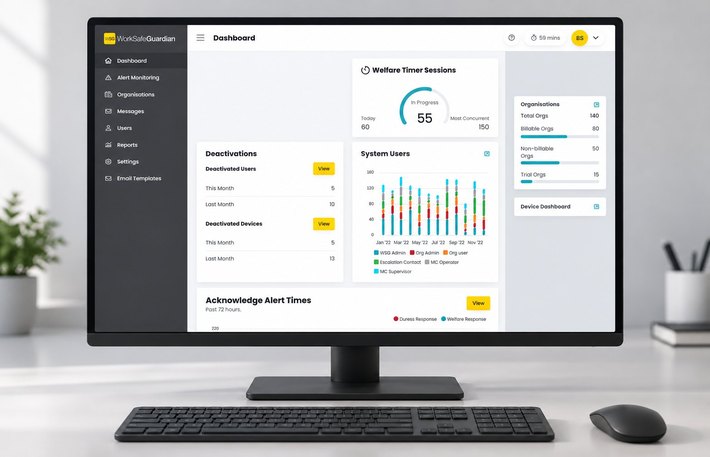
Worksafe Guardian
EV04 Bluetooth devices reporting shake and fall detection and button presses into the safety platform.
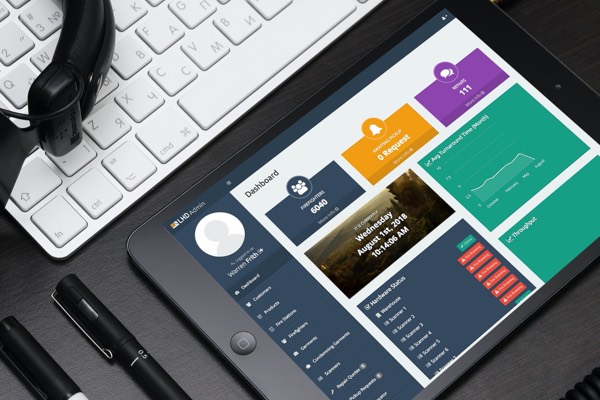
Firesmart
RFID and barcode scanning of protective garments through the LHD laundry, with labels printed on thermal printers.
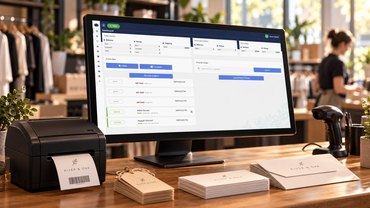
Say It With Flowers
Cards, envelopes and tags printed to networked store printers straight from the order, with a queue and reprint.
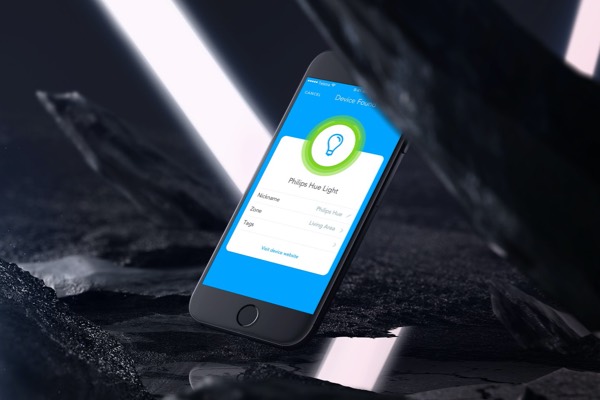
Xped
Mobile apps controlling home automation devices over Bluetooth.
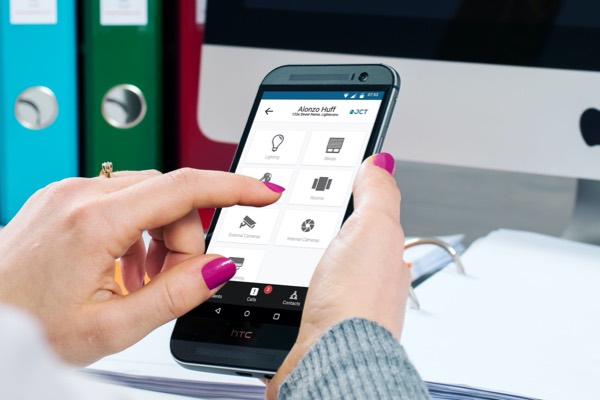
JCT Comms
Carer calls and home automation in purpose-built housing, driven from a mobile app.
Get it talking on the bench before it goes anywhere near the field
Hardware projects go wrong when the device is a mystery until go-live. We put it on the bench first, prove the connection, then build the software around what it really does.
Investigate the device
First, we get hold of the hardware and work out exactly how it communicates.
Datasheets, SDKs, serial dumps and Bluetooth sniffing. Where there's no documentation we reverse the protocol on the bench. You get a clear report on what the device can report, what it can be told, and what the integration will take.
Prototype the connection
Next, we prove it end to end: device to platform to screen, with real readings.
A working prototype with the actual hardware settles the questions that matter: how often it reports, what happens when the connection drops, how long the battery lasts, what the data looks like. The firmware, driver and data model are designed from that, not from the brochure.
Build, deploy and monitor
Then we build the platform and app around it, roll it out to the field and watch it.
Queued telemetry and offline-first apps for sites without reception, device health on the dashboard, and alerts to our team when a device goes quiet. Firmware updates, replacements and new device models are handled under support, so the fleet keeps growing without the integration breaking.
And when the manufacturer changes the hardware?
New revisions, new firmware and discontinued models are part of life with hardware. The team that built the integration keeps it current and keeps the devices reporting.
Do you build the hardware itself?
Our focus is the firmware, drivers and software that make a device useful, and the bench work needed to get there: modifying boards, removing and re-flashing chips, wiring up sensors for a prototype. For production hardware design and manufacture we work alongside your electronics partner.
The device has no API or documentation. Can you still integrate it?
Usually. We've reversed serial and Bluetooth protocols on the bench and worked from PLC ladder logic and circuit board schematics. The Investigate phase exists to answer this question before you commit to the build.
What happens when the device loses connection?
We design for it. Readings queue on the device or the app and sync when a connection returns, with timestamps preserved, and the platform shows device health so a silent device is noticed rather than assumed to be fine.
Which printers and scanners do you support?
Zebra thermal printers including the ZD412, networked receipt and card printers, and RFID and barcode scanners from fixed wall units to handhelds. If yours isn't on the list, send us the model and we'll check it.
Can the integration be added to our existing platform?
Yes. We regularly add device integrations to platforms we built and to systems built by others, through an API or a direct database connection. See our software integration service for how we approach existing systems.
Got hardware that should be talking to your software?
Tell us what the device is and what you need from it. One of our digital strategists will talk it through with you.